ACCESSIBLE HIGHER EDUCATION –
A REINTEGRATION PATH FOR DISPLACED COMMUNITIES
Access to higher education is one of the most effective tools for long-term reintegration, economic stability, and leadership development—particularly for individuals and communities affected by displacement. Migrants, refugees, and asylum seekers often face financial, linguistic, and institutional barriers that interrupt their education and limit their ability to rebuild professional and personal futures.
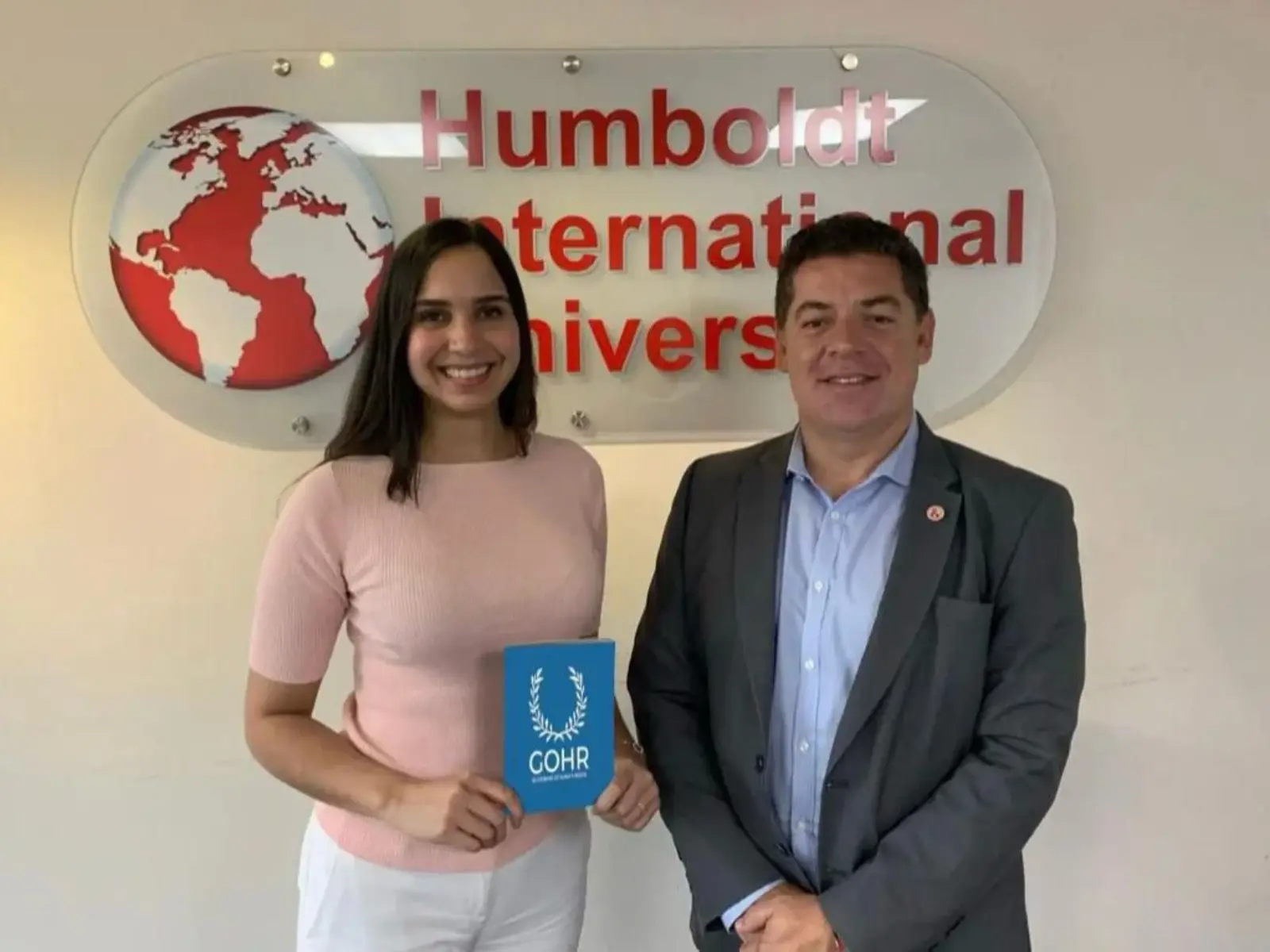
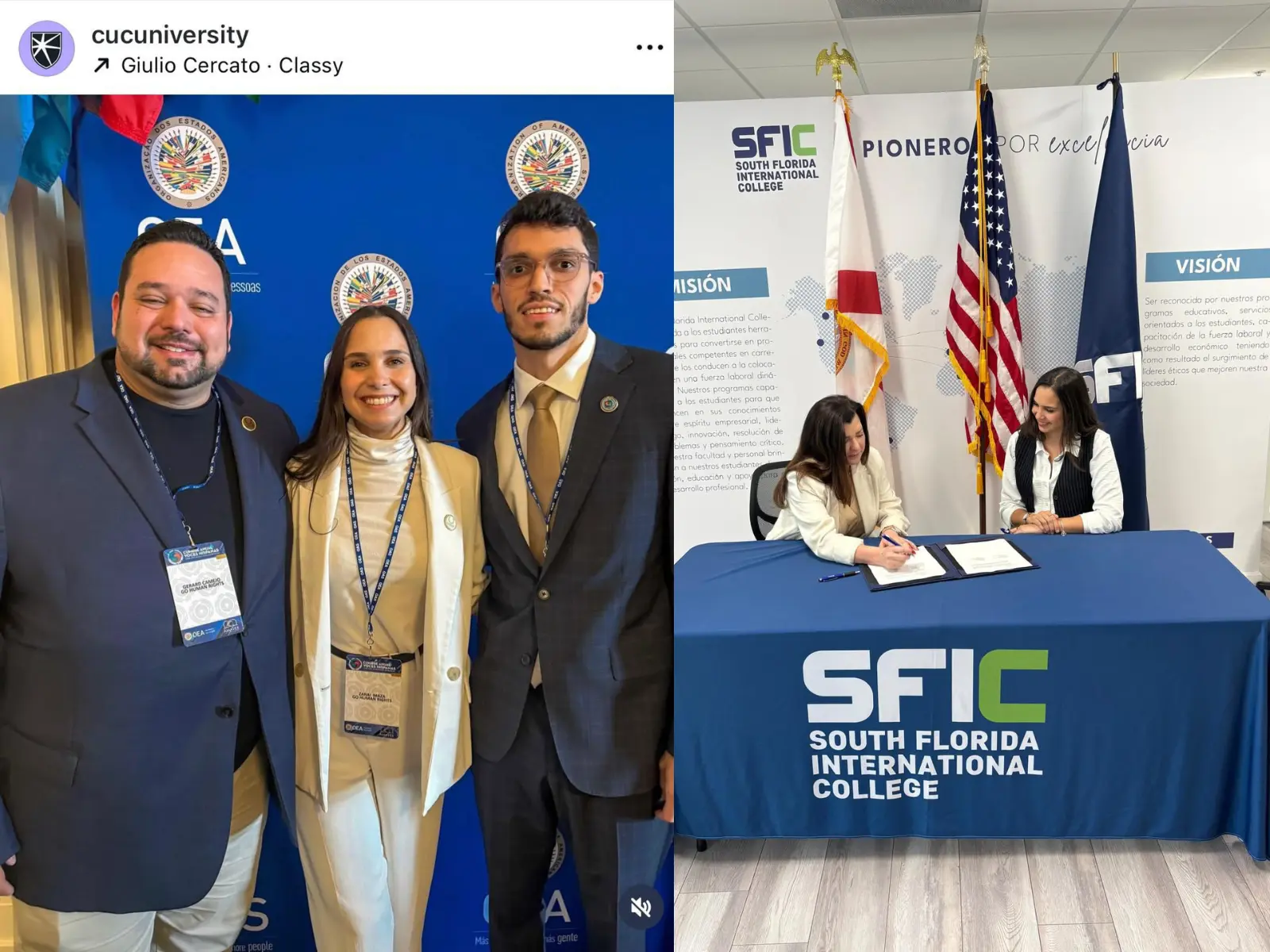
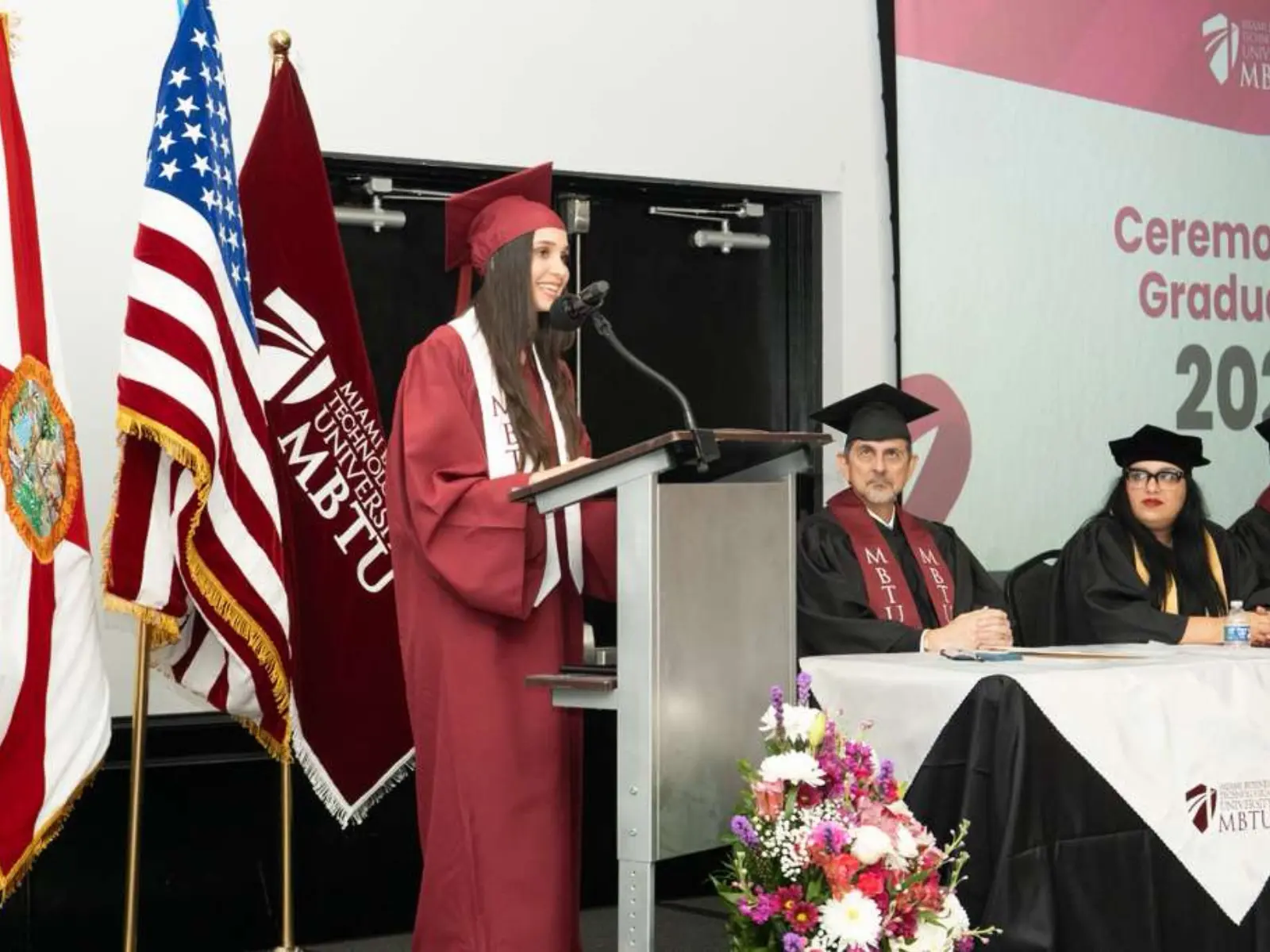
Through its Accessible Higher Education program, Guardians of Human Rights creates structured and affordable pathways to accredited academic programs through strategic partnerships with higher education institutions. The program prioritizes accessibility, flexibility, and inclusion, offering significant tuition reductions, online and hybrid learning options, and bilingual academic support tailored to the realities of displaced and non-traditional students.
Education within this program is intentionally designed as a reintegration strategy. By restoring access to higher education, professional credentials, and leadership development, participants are empowered to regain economic independence, rebuild their professional identities, and actively contribute to their communities and host societies. This approach transforms education into a bridge between displacement and long-term stability, resilience, and social inclusion.
Through its Accessible Higher Education program, Guardians of Human Rights creates structured and affordable pathways to accredited academic programs through strategic partnerships with higher education institutions. The program prioritizes accessibility, flexibility, and inclusion, offering significant tuition reductions, online and hybrid learning options, and bilingual academic support tailored to the realities of displaced and non-traditional students.
Education within this program is intentionally designed as a reintegration strategy. By restoring access to higher education, professional credentials, and leadership development, participants are empowered to regain economic independence, rebuild their professional identities, and actively contribute to their communities and host societies. This approach transforms education into a bridge between displacement and long-term stability, resilience, and social inclusion.
THE RESULTS
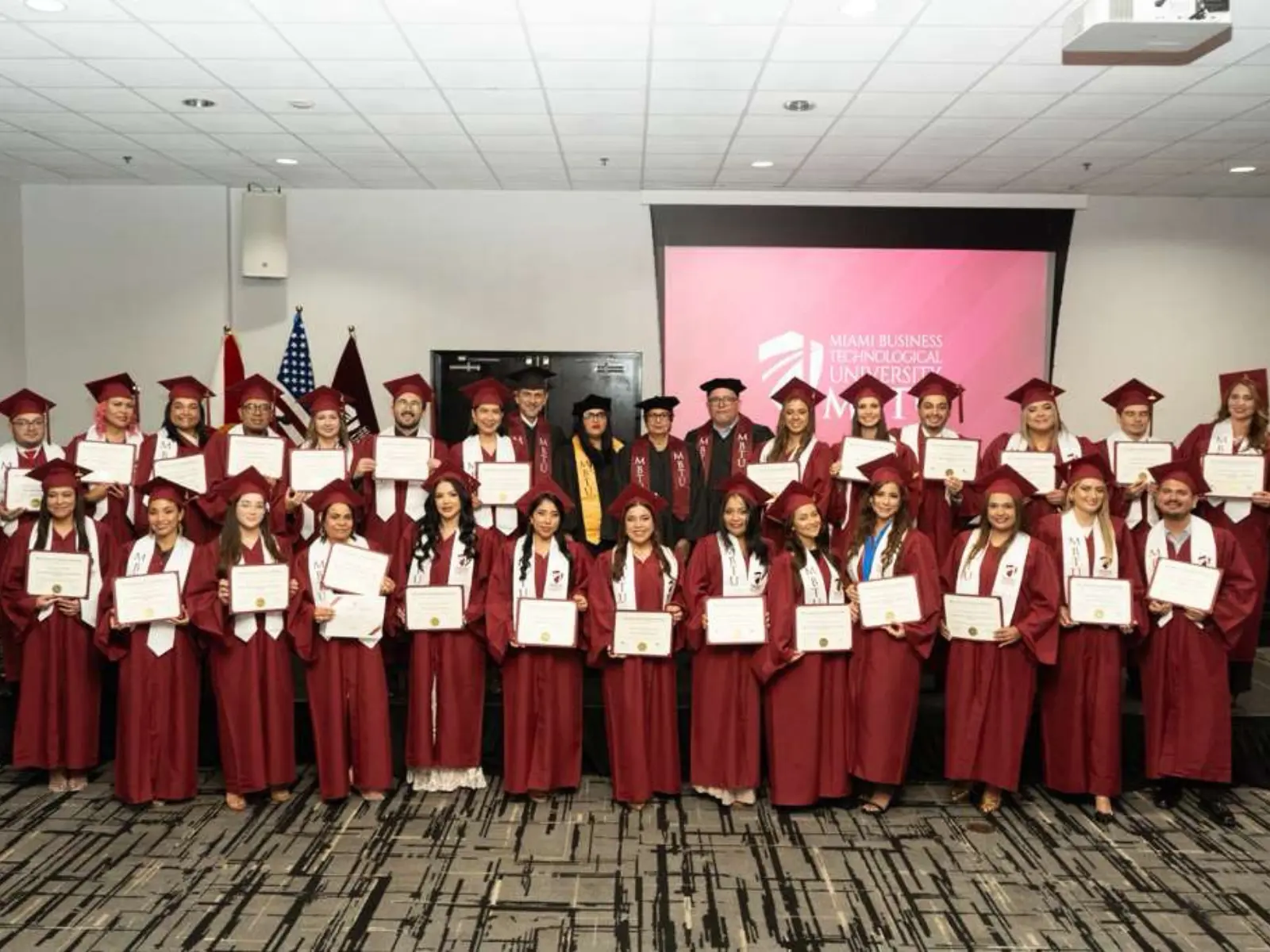
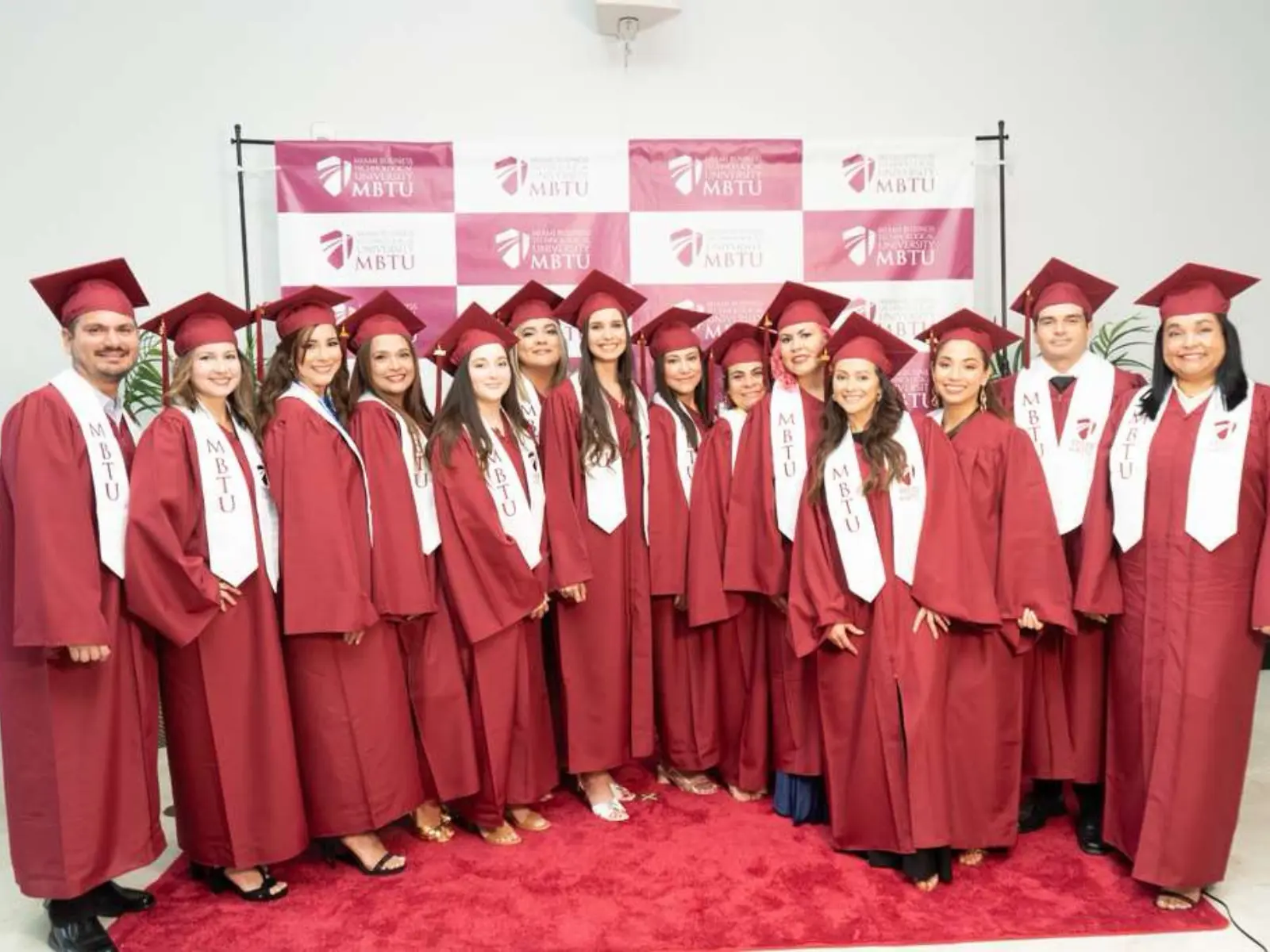
Through this reintegration pathway, we have supported more than 660 students from immigrant, displaced, and refugee communities by granting scholarships that make higher education attainable and sustainable. These efforts have enabled participants to re-enter formal education, strengthen their professional trajectories, and pursue lasting integration through knowledge, skills, and opportunity.